
Cutting Systems
With over a decade of innovation, Plazmax designs and builds industry-leading CNC plasma cutting systems tailored to the needs of engineering and manufacturing companies across Australia. Our cutting-edge machines deliver unmatched precision, performance, and durability—powered by the best technology and software available.
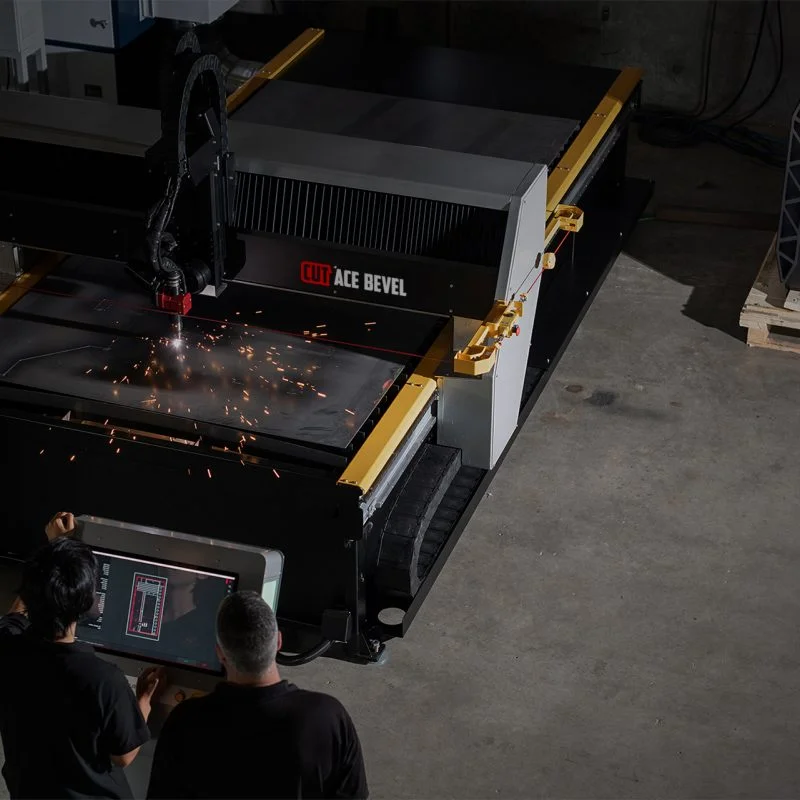
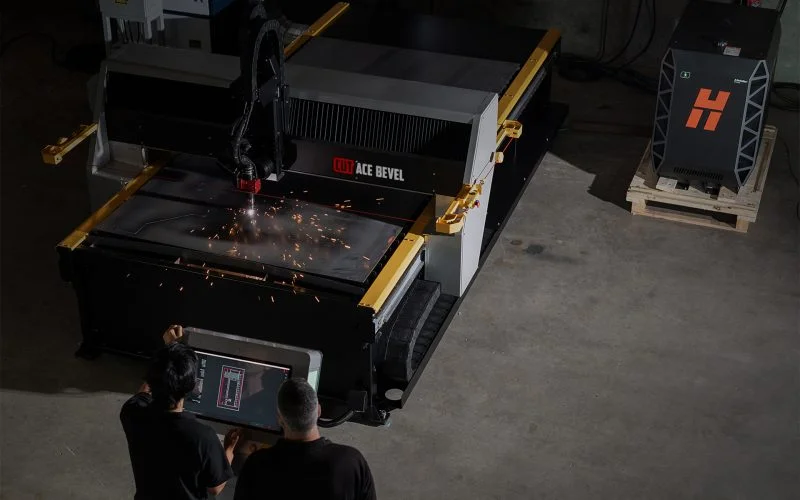
Plazmax CutAce
The Plazmax CutAce is the ultimate unitised plasma cutting system for manufacturers and engineers seeking efficiency and accuracy. Designed for exceptional cut quality on carbon steel, aluminium, and stainless steel, CutAce features Hypertherm’s outstanding power sources and offers customised tables sizes to fit your specific needs.
Engineered for speed, precision, and maximum productivity, the CutAce offers easy cleaning and maintenance, integrated remote support, and full compatibility with scribing and oxy-torch. Delivering best-in-class performance, it gives you a distinct competitive edge in modern fabrication.
Plazmax CutPro
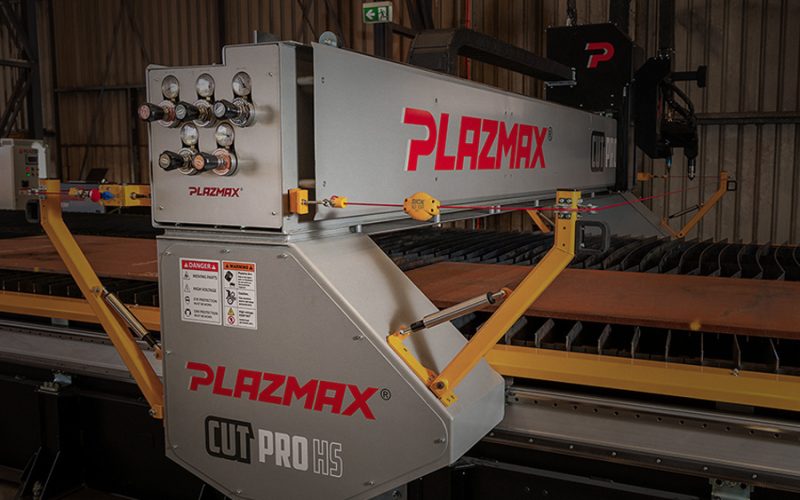
When only the toughest will do, Plazmax CutPro rises to the challenge. Designed for ultra-heavy-duty performance, CutPro delivers precision in high-definition plasma cutting, bevel cutting, multi-torch configurations, and oxy-fuel systems—effortlessly handling the most demanding applications.
Available in two configurations, the CutPro Rail is a floor-mounted X-axis rail and gantry system, suitable for retrofitting over an existing or new table. Meanwhile, the CutPro HS features a modular pod design, offering virtually unlimited length for maximum flexibility.
Built to your exact specifications, the CutPro ensures superior productivity, precision, and reliability—tailored to meet the unique demands of your operation.

CNC Laser Cutting Machine: Brilliant, but is it the Best?
Technology never stands still — and metal cutting is no exception. What once relied on brute force and manual tools has evolved into high-precision, computer-controlled systems that deliver cleaner, faster results.
Two major innovations — CNC laser cutting machines and CNC plasma cutters — have transformed manufacturing. Both emerged in the mid-20th century and have advanced dramatically since, each excelling in different applications. Today, CNC laser machines are valued for their fine detail and ability to cut a variety of materials, while CNC plasma systems dominate when it comes to thicker metals, speed, and cost-effectiveness. Read More
If you're using a CNC laser cutter now, it's worth asking: is it still the ultimate solution for your work, or could upgrading to plasma take your productivity further?
How the Laser Improved on Oxy-Acetylene
Before laser or plasma cutting, many workshops relied on oxy-acetylene — a process developed in the early 1900s, where a jet of oxygen and ignited acetylene gas reached temperatures high enough to melt steel. It could cut and weld, but it was slow, less precise, and produced significant heat distortion.
When laser cutting was introduced in the 1960s, it offered finer detail, cleaner edges, and the ability to work with more materials. By focusing a concentrated beam of light onto the workpiece, a CNC laser cutting machine could produce intricate shapes that were difficult to achieve with older methods.
Plasma Cutting – The High-Speed Alternative
While laser cutting brought precision, plasma cutting delivered speed and versatility. Developed in the same era, plasma cutting uses a jet of superheated, electrically conductive gas to melt and blow away metal along a precise path.
Plasma is often called the fourth state of matter — formed when an electrical arc ionises a gas such as compressed air, nitrogen, or oxygen. This creates a narrow, high-energy stream capable of slicing through conductive metals with remarkable speed.
Today's high-definition CNC plasma systems deliver tolerances and edge finishes that rival laser on many jobs — especially on mild steel, stainless steel, and aluminium over 10 mm thick. For thicker plate cutting, plasma is often faster, more economical, and easier to maintain than a CNC laser machine.
What Can You Cut with a CNC Laser Machine?
A CNC laser cutter is highly versatile. It can cut metals as well as certain non-metals that plasma can't, such as wood, plastics, cork, paper, and fabrics — because plasma requires the material to conduct electricity.
If most of your work involves thin to medium-gauge metal, laser can be an excellent choice. However, when you need to cut thicker materials quickly — or handle a mix of mild steel, stainless steel, carbon steel, copper, brass, aluminium, cast iron, and even titanium — plasma can offer faster processing times and lower operating costs.
When to Upgrade from Laser to Plasma
If you've relied on a CNC laser cutting machine for years and it's served you well, the decision to upgrade often comes down to capability and efficiency. Plasma gives you:
- Faster cutting on thicker metals
- Lower cost per cut on many jobs
- Rugged reliability with less maintenance downtime
- The flexibility to handle a wider range of conductive metals
Upgrading isn't about replacing one good tool with another — it's about matching the right tool to the work you do now, and the work you want to win in the future.
Contact Us to Discuss Plasma vs Laser
At Plazmax, we've been at the forefront of CNC plasma innovation since 2011. We've helped Australian and New Zealand workshops expand their capabilities, improve turnaround times, and reduce costs — all by choosing the right cutting technology for their needs.
If you're weighing the pros and cons of CNC laser cutting machines versus plasma, we can help you make an informed choice. Explore our range online, or get in touch to discuss your requirements. Whether it's upgrading an existing setup or starting fresh, we'll help you find the best solution for your business.
Frequently Asked Questions
Is a Fiber Laser or a CO2 Laser better for metal fabrication in 2026?
+
What determines the "accuracy" of a high-end CNC laser?
+
What are the typical power requirements for a CNC fiber laser?
+
Committed to staying ahead of the curve, we invest heavily in research and development, ensuring our systems continue to set the benchmark for productivity and efficiency. When you choose Plazmax, you’re investing in superior quality, cutting accuracy, and a competitive edge.
Setting you up for success, Plazmax provides complete turn-key installation, on-site and remote training, and comprehensive support, including remote diagnostics and breakdown support from our Australian service agents.