CutPro
Ultra-heavy-duty CNC plasma cutting system for extreme duty applications
For extreme duty applications look no further than Plazmax’s CutPro.
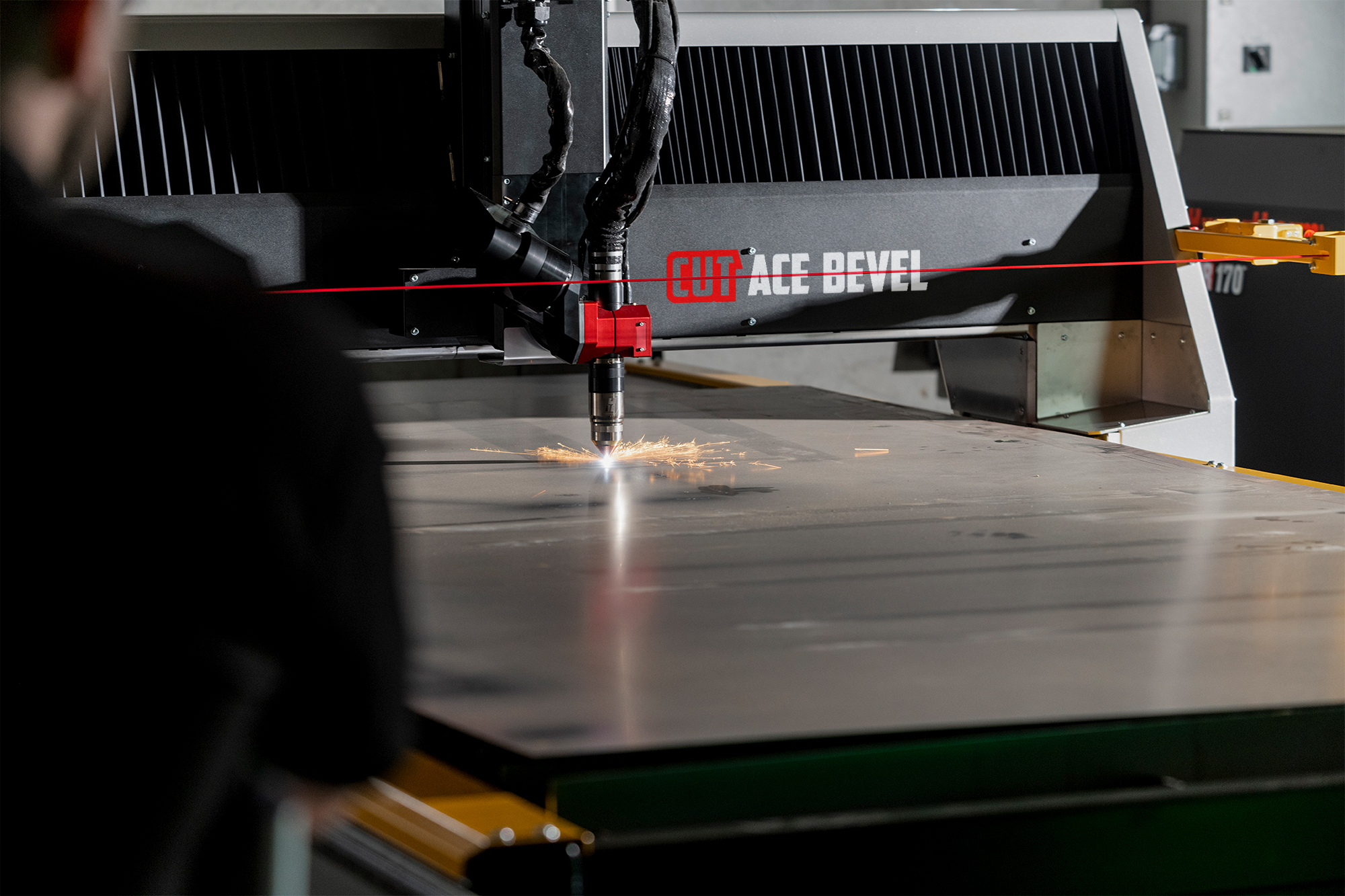
Precision bevelling up to ±50°
19” Touch Control Panel for quick pre-set settings
Turnkey Installation & Training Included
Rail & table mount versions
What is a Plasma Cutter Good For?
Plasma cutters are a cornerstone of modern engineering and fabrication workshops. One of the first questions prospective buyers ask is: What size and power will best suit my workload and materials?
For most workshops, a plasma cutter will handle conductive metals from just a fraction of a millimetre thick up to around 64mm (two and a half inches).
As material thickness increases, so does the power required. Industrial and heavy-duty plasma cutters can take on much thicker work, giving you speed, precision, and the durability to handle demanding production environments. Read More
An industrial CNC plasma cutter combines power with computer precision. CNC (computer numerical control) technology allows you to program intricate shapes, curves, and angles — and repeat them exactly, over and over, for consistent results on high-volume jobs.
What Thickness of Steel Will a Plasma Cutter Cut?
Here's an interesting question. What thickness of steel will a CNC plasma cutter cut? Cutting capacity depends on the model. Some machines will slice through thick steel cleanly; others can cut part-way, allowing you to break away the section — perfect for dismantling or repair jobs where a flawless edge isn't critical.
BUT – and here's why it's a capital-letter BUT – note that we're talking about steel here, and steel is not the only metal that an industrial plasma cutter can deal with.
Because the process relies on electrical conductivity, plasma cutters can also handle aluminium, copper, brass, cast iron, titanium, and stainless steel — making them versatile tools for a wide range of industries.
What Are the Best Industrial Uses for a Plasma Cutting Machine?
An industrial plasma cutting machine combines raw cutting power with CNC precision, making it one of the most versatile tools in modern fabrication. Here are the top ways it's used across industries:
Structural Steel Fabrication – Cutting beams, columns, brackets, and gussets with clean, weld-ready edges for construction and infrastructure projects.
Automotive & Transport – Producing chassis components, custom body panels, trailer frames, and parts for modifications or repairs.
Shipbuilding & Marine – Shaping hull plating, deck structures, and aluminium marine components where accuracy and corrosion resistance are critical.
Agricultural Equipment Manufacturing – Creating heavy-duty parts for tractors, harvesters, fencing systems, and storage equipment.
Architectural Metalwork – Crafting decorative panels, balustrades, and custom designs that require precision detail.
Signage & Branding – Cutting intricate letters, logos, and graphic designs from metal sheets for durable, eye-catching signage.
Maintenance & Repair – Quickly removing worn or damaged metal sections for replacement in industrial machinery, vehicles, and structures.
Multi-Metal Capability – Working with mild steel, stainless steel, aluminium, copper, brass, and other conductive metals for maximum flexibility.
What Cannot be Cut with a Plasma Cutter?
There are some metals and other materials that, while often softer or weaker than steel, can't be cut with a plasma cutter because they do not conduct electricity — a requirement for the process.
Materials like glass, concrete, ceramics, wood, and most plastics fall into this category. Lead is also unsuitable, but for a different reason: it melts at low temperatures, making the process messy and impractical.
This is why it's important to get the right advice before purchasing. At Plazmax, we can assess your needs and recommend the CNC plasma cutter that matches your materials and applications. A machine of this calibre is a significant investment, and buying from a specialist ensures you get a system designed for performance and longevity. That "bargain" plasma cutter for sale could end up costing more if it can't handle your work.
You may also have specific process questions — such as "What gas should I use with a plasma cutter?" The answer depends on the material you're cutting and the finish you require. Our team can guide you in selecting the right gas and setup to get the best results from your machine.
Why Plazmax?
At Plazmax, we recognised the potential of plasma cutting early on — but also saw that the machines available locally left room for improvement. Since 2011, we've been designing and manufacturing CNC plasma cutters that give workshops across New Zealand and Australia a competitive edge in speed, accuracy, and capability.
Whether you need a compact, high-precision cutter for light fabrication or a heavy-duty CNC system for large-scale production, we'll recommend the best fit for your work. Call us or use our online enquiry form, and let's get your workshop set up to deliver better results — and win jobs your competitors can't.
Built to your specification
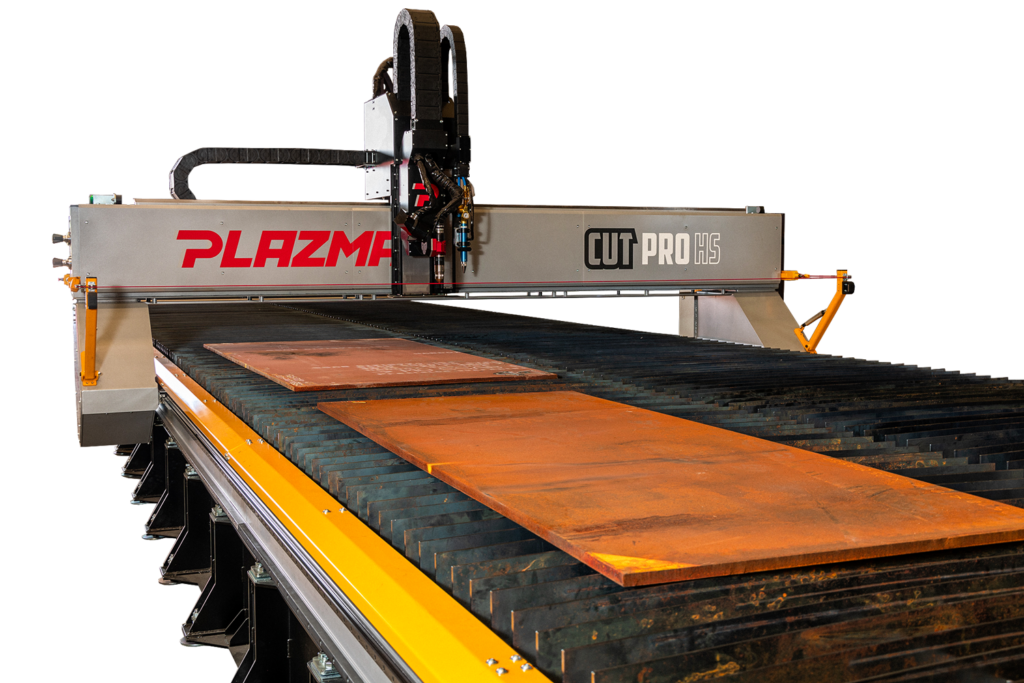
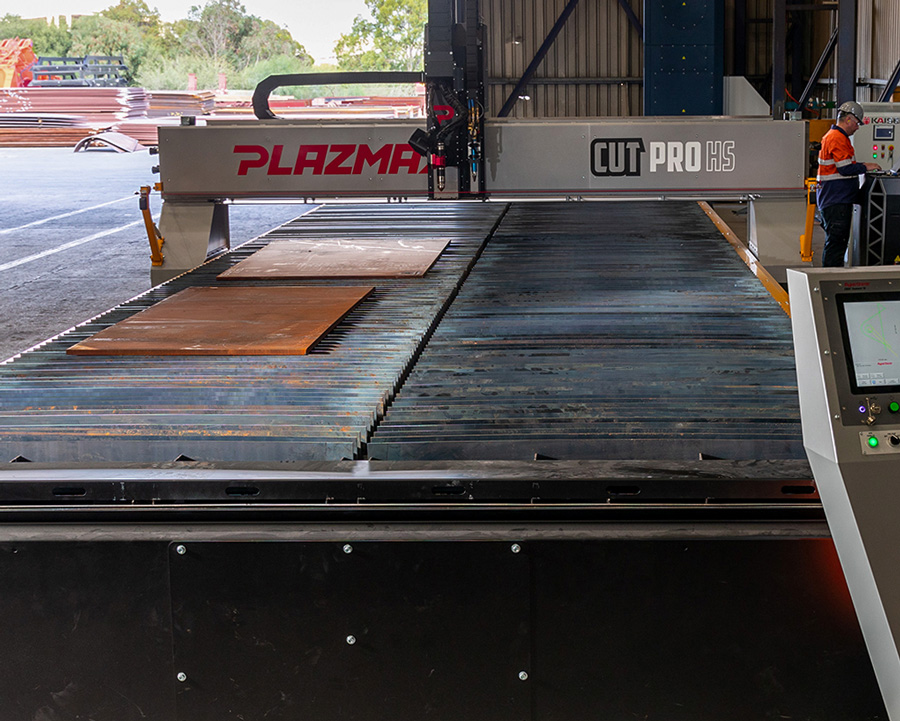
Best suited to high-definition Plasma Cutting, Bevel Cutting, Multi Torch Cutting and Oxy-Fuel Systems, the CutPro makes light work of the most demanding tasks, and with almost unlimited flexibility, you can have your CutPro built exactly to the size and specs you need.
- Precision bevelling up to ±50°
- Easy Camera Plate Alignment
- Quality standardised components readily available and always stocked
- Remote support enabled for help anytime, anywhere
- Fully Integrated Hypertherm software and hardware
- Standalone 19” Touch Screen Console
- Scribing and Oxy-torch compatible
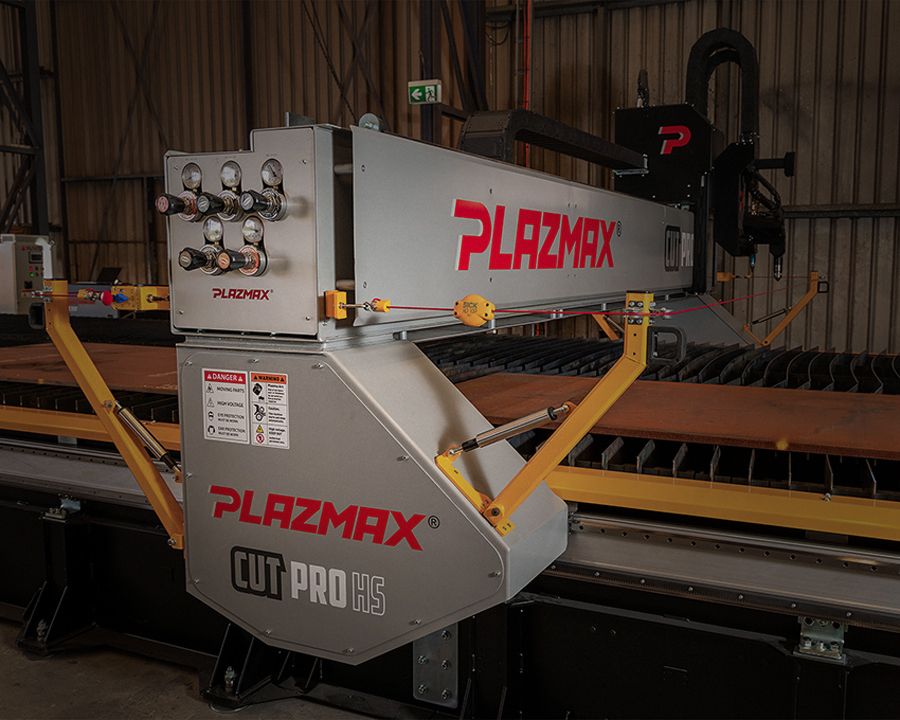
Precision beveling for weld-ready parts
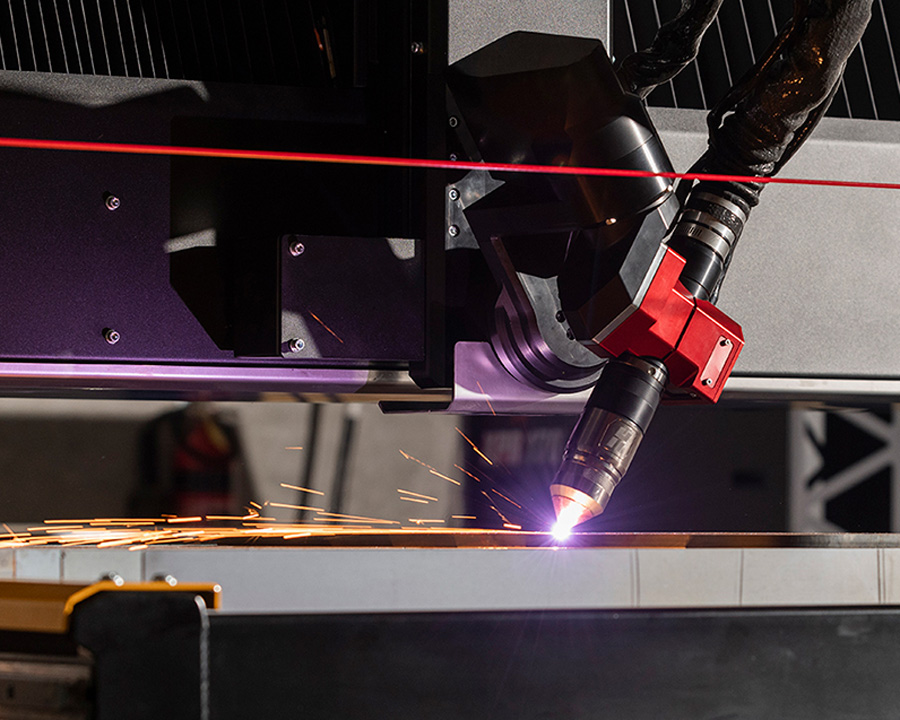
Create parts faster by eliminating secondary weld-prep processes with Plazmax’s industry-leading automatic bevel head. Program advanced bevels and cut angles up to ±50° using the Hypertherm XPR plasma system and integrated TrueBevel technology.
Effortlessly Cut Taper-Free Holes
Plazmax's groundbreaking 'MaxControl' software now enables users to cut taper-free holes below 1:1 ratio. With torch head rotation, create clean straight-walled holes in mild steel, stainless steel, and aluminum down to 8mm on 10mm plate effortlessly.
Available in rail and table mount versions
The CutPro is available in 2 configurations; the CutPro Rail is a floor mounted X axis rail and gantry system suitable for retrofitting over an existing or new table, whereas the CutPro HS comes in a versatile modular pod configuration allowing almost unlimited length.
Get the CutPro brochure
Want the full rundown on the CutPro? Pop in your email and get an instant download.
Absolute control at your fingertips
Plazmax’s custom 19’’ Touch Screen Console makes setting up even complicated tasks a breeze. Its user-friendly interface makes the learning process simple, and with built in real-time remote access you’ll always have the full support of the Plazmax technicians and support team for system diagnostics, troubleshooting and training.

Service & Support
Plazmax offers complete turn-key installation for cutting and robotic systems, providing on-site and remote training for both machines and software. With comprehensive service plans, remote diagnostics and breakdown support from our Australian service agents, you can count on support from the people who built your machine.
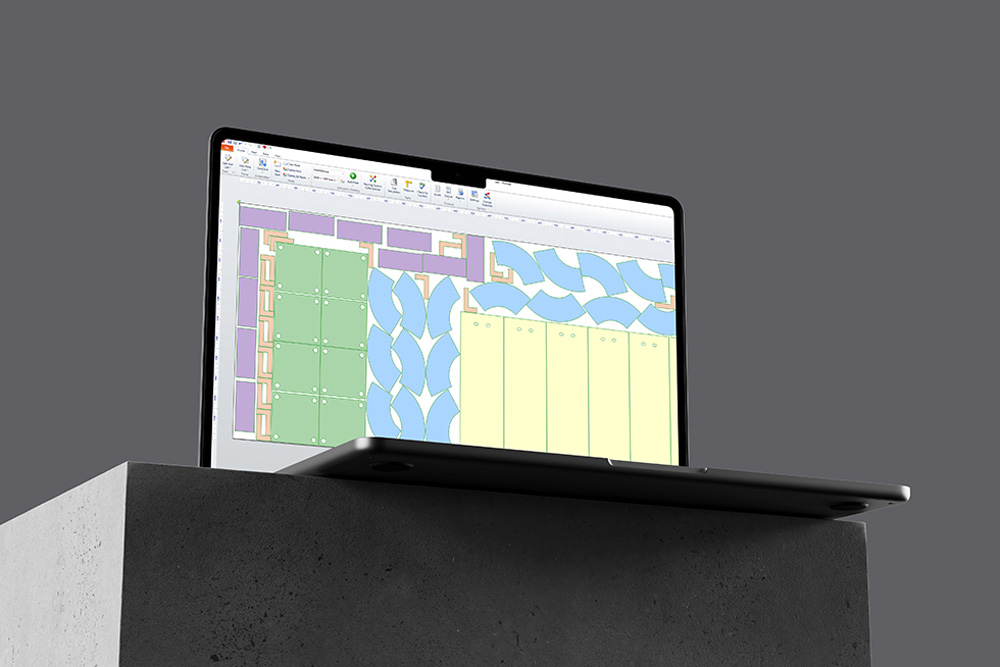
ProNest® Software
Designed to supercharge your cutting operation, ProNest® CAD/CAM part nesting software will help you achieve greater automation, efficiency, and profitability.
Power Options
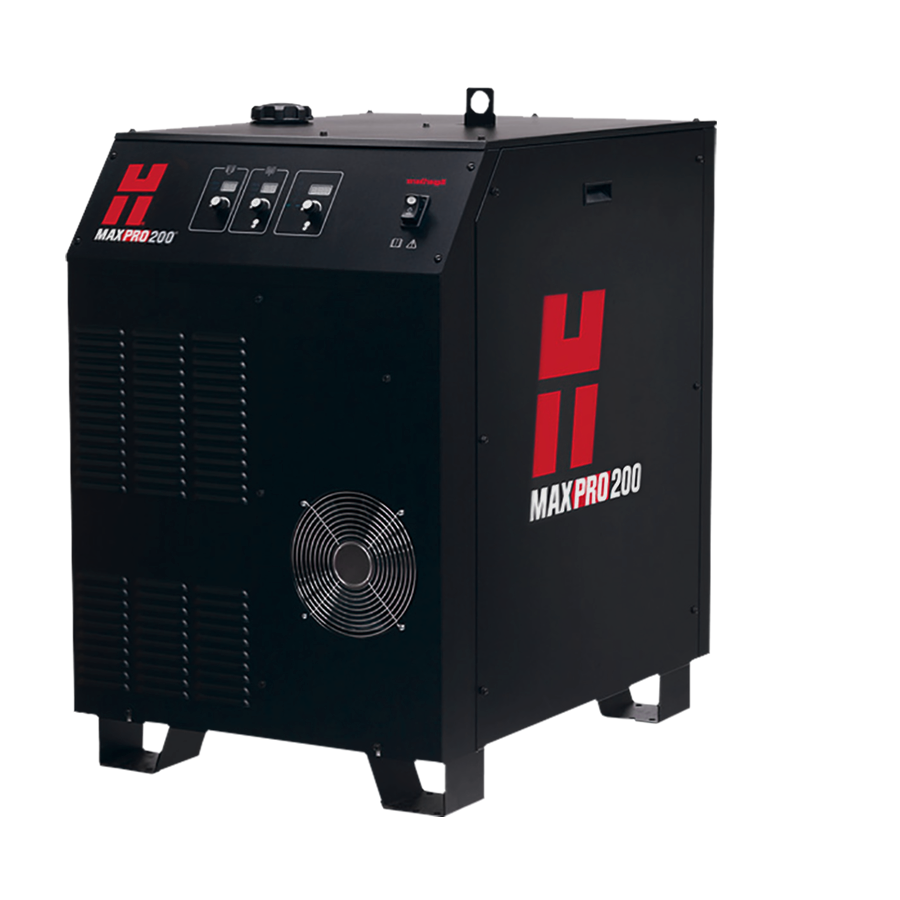
The CutPro can be configured and supplied with a choice of Hypertherm power options. Starting with the Hypertherm MaxPro200 for light to medium duty application and working up to the more sophisticated XPR170, 300 and 460 models for more heavy duty tasks and high definition quality cutting.
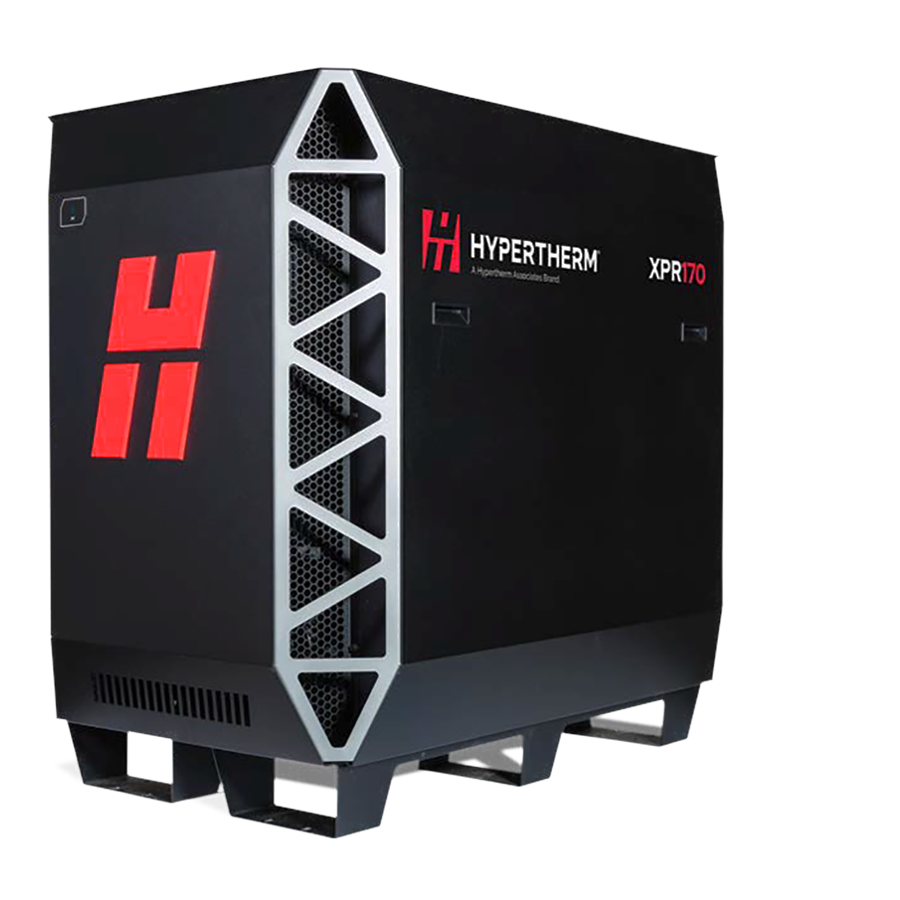
Hypertherm XPR170
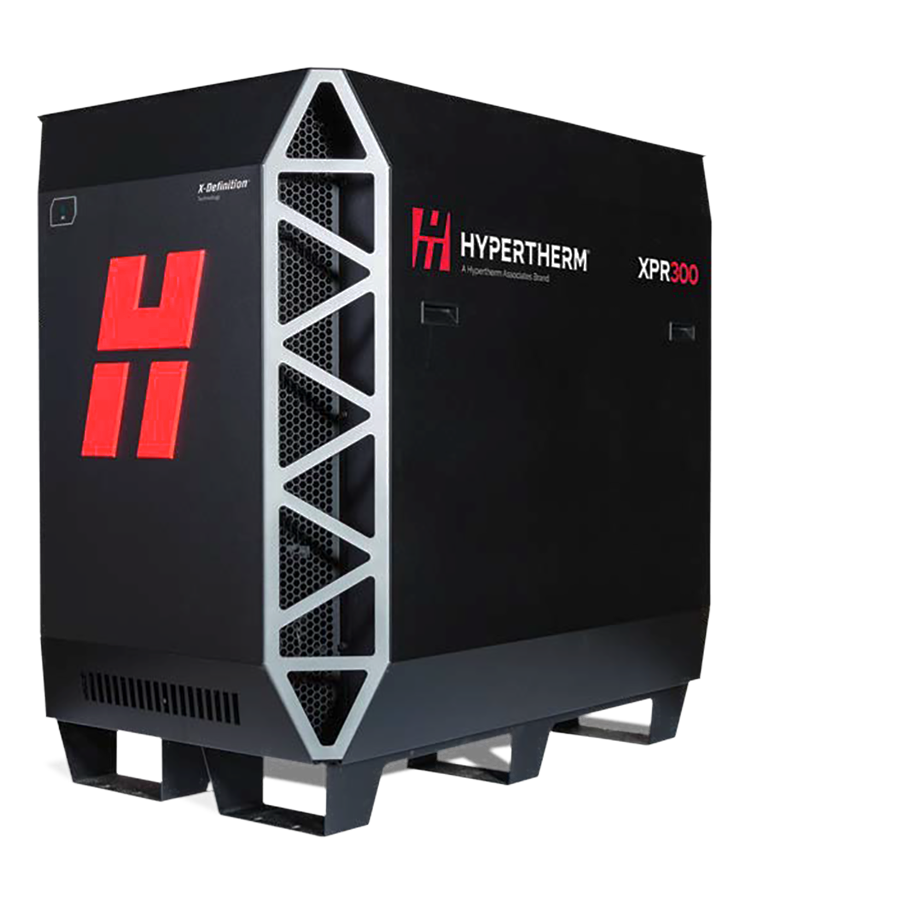
Hypertherm XPR300

Specifications
General
Working Material
- Carbon Steel (up to 64mm)
- Aluminium (up to 63mm)
- Stainless Steel (up to 63mm)
Cutting Table Options
- Width: 2.7/3.2/3.5m
- Length up to 23m or retrofit to existing table
Technology
Software
- ProNest Nesting Software
- MaxControl CNC Software or / Phoenix CNC Software
Hardware
- 19” Touch Screen Display
Options
Compatible Options
- Oxy-Fuel Cutting
- Bevel Head
- Marking / Scribing
- Available in rail and table mount versions
Power Options
- Hypertherm MaxPro200
- Hypertherm XPR170
- Hypertherm XPR300
- Hypertherm XPR460
FAQs
What is a Plasma Cutter Good For?
Plasma cutters are a cornerstone of modern engineering and fabrication workshops. One of the first questions prospective buyers ask is: What size and power will best suit my workload and materials?
For most workshops, a plasma cutter will handle conductive metals from just a fraction of a millimetre thick up to around 64mm (two and a half inches).
As material thickness increases, so does the power required. Industrial and heavy-duty plasma cutters can take on much thicker work, giving you speed, precision, and the durability to handle demanding production environments.
An industrial CNC plasma cutter combines power with computer precision. CNC (computer numerical control) technology allows you to program intricate shapes, curves, and angles — and repeat them exactly, over and over, for consistent results on high-volume jobs.
What Thickness of Steel Will a Plasma Cutter Cut?
Here's an interesting question. What thickness of steel will a CNC plasma cutter cut? Cutting capacity depends on the model. Some machines will slice through thick steel cleanly; others can cut part-way, allowing you to break away the section — perfect for dismantling or repair jobs where a flawless edge isn't critical.
BUT – and here's why it's a capital-letter BUT – note that we're talking about steel here, and steel is not the only metal that an industrial plasma cutter can deal with.
Because the process relies on electrical conductivity, plasma cutters can also handle aluminium, copper, brass, cast iron, titanium, and stainless steel — making them versatile tools for a wide range of industries.
What Are the Best Industrial Uses for a Plasma Cutting Machine?
An industrial plasma cutting machine combines raw cutting power with CNC precision, making it one of the most versatile tools in modern fabrication. Here are the top ways it's used across industries:
- Structural Steel Fabrication – Cutting beams, columns, brackets, and gussets with clean, weld-ready edges for construction and infrastructure projects.
- Automotive & Transport – Producing chassis components, custom body panels, trailer frames, and parts for modifications or repairs.
- Shipbuilding & Marine – Shaping hull plating, deck structures, and aluminium marine components where accuracy and corrosion resistance are critical.
- Agricultural Equipment Manufacturing – Creating heavy-duty parts for tractors, harvesters, fencing systems, and storage equipment.
- Architectural Metalwork – Crafting decorative panels, balustrades, and custom designs that require precision detail.
- Signage & Branding – Cutting intricate letters, logos, and graphic designs from metal sheets for durable, eye-catching signage.
- Maintenance & Repair – Quickly removing worn or damaged metal sections for replacement in industrial machinery, vehicles, and structures.
- Multi-Metal Capability – Working with mild steel, stainless steel, aluminium, copper, brass, and other conductive metals for maximum flexibility.
What Cannot be Cut with a Plasma Cutter?
There are some metals and other materials that, while often softer or weaker than steel, can't be cut with a plasma cutter because they do not conduct electricity — a requirement for the process.
Materials like glass, concrete, ceramics, wood, and most plastics fall into this category. Lead is also unsuitable, but for a different reason: it melts at low temperatures, making the process messy and impractical.
This is why it's important to get the right advice before purchasing. At Plazmax, we can assess your needs and recommend the CNC plasma cutter that matches your materials and applications. A machine of this calibre is a significant investment, and buying from a specialist ensures you get a system designed for performance and longevity. That "bargain" plasma cutter for sale could end up costing more if it can't handle your work.
You may also have specific process questions — such as "What gas should I use with a plasma cutter?" The answer depends on the material you're cutting and the finish you require. Our team can guide you in selecting the right gas and setup to get the best results from your machine.
Why Plazmax?
At Plazmax, we recognised the potential of plasma cutting early on — but also saw that the machines available locally left room for improvement. Since 2011, we've been designing and manufacturing CNC plasma cutters that give workshops across New Zealand and Australia a competitive edge in speed, accuracy, and capability.
Whether you need a compact, high-precision cutter for light fabrication or a heavy-duty CNC system for large-scale production, we'll recommend the best fit for your work. Call us or use our online enquiry form, and let's get your workshop set up to deliver better results — and win jobs your competitors can't.
How does "High-Definition" plasma differ from standard air plasma?
What is the benefit of a "Water Table" vs. a "Downdraft Table" for plasma cutting?
Downdraft Tables: Use high-powered fans to suck fumes into a filtration unit. These are generally better for high-production shops that want to avoid the mess and "messy" plate handling associated with submerged water cutting.
Is plasma cutting still cost-effective compared to laser?
Finance Options
Although it’s obvious to most the Return On Investment a high-tech piece of equipment can provide, banks and lenders don’t always understand your industry and the importance of such purchases.
Related Product
Plazmax CutAce
Precision plasma cutting with best in class speed and productivity features